
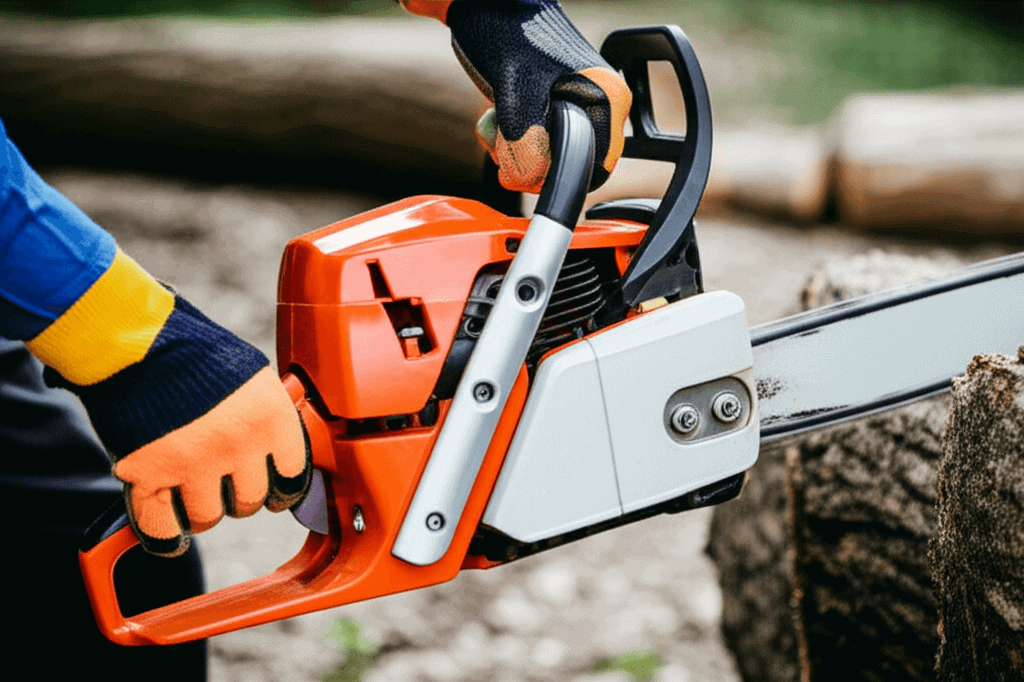
Picking the right chainsaw size speeds up yard work and makes it a whole lot easier. A 16-inch chainsaw fits most homeowners and hobby woodworkers perfectly. It’s just right for cutting small trees and trimming branches, while being light enough to hold and store without trouble. Choosing this size hits the perfect balance of power and control, helping save both energy and time on outdoor tasks. Keep reading to see how this smart pick can completely change the way yard work feels.
This guide walks through practical tips for working with 16 inch chainsaws. You will find safety basics, cutting techniques, maintenance routines, power option comparisons, common mistakes to avoid, and the features to prioritize when shopping. Real examples and easy to apply tips will help you get more reliable results while reducing fuss and time spent on repairs.
Why a 16 inch chainsaw is a great choice for home tasks
A 16 inch bar hits a balance that makes it useful for a wide range of chores. For homeowners with small to medium yards it can take down saplings and prune large limbs without the bulk of a full sized saw. If you cut firewood for a fireplace a 16 inch blade is often long enough to split most logs into stove ready pieces with fewer passes.
Other benefits include lighter weight compared with larger machines and easier handling in tight spots. When you need to work near fences, around garage entries, or up a ladder reach matters. A 16 inch saw lets you work with better control in these situations which lowers fatigue and improves cut placement.
Safety basics for working with 16 inch chainsaws
Chainsaws can be unforgiving so a careful routine is a good habit. Start by wearing protective gear and set up a clear work area with a stable stance. Avoid cutting on uneven ground when possible and keep bystanders and pets at a safe distance.
Personal protective equipment
Wear chain rated chaps or pants, eye protection, hearing protection, gloves with a good grip, and a hard hat if you will be working near overhead branches. Footwear should be sturdy and slip resistant. These items reduce the risk of common injuries and let you focus on your cuts rather than minor discomforts.
Pre start checks
Before you pull the starter cord or press the trigger check that the chain tension is correct and that the chain brake engages. Confirm the bar nuts are tight and that there is sufficient bar oil. For gas saws check fuel levels and for battery units make sure the pack is fully seated.
Operating techniques for cleaner cuts and better control
How you hold and move the saw affects cut quality and safety. Use a firm two handed grip with the left thumb wrapped under the front handle and keep your elbows slightly bent. Plant your feet so you can shift weight smoothly. When cutting, let the tool do the work instead of forcing the blade.
- Start cuts at the right place Use a notch or relief cut on larger limbs to prevent binding
- Maintain chain speed Keep steady throttle so the chain stays sharp and reduces burn marks
- Watch for kickback zones The top of the bar nose is the most likely place for kickback
For limb work support the limb so it does not pinch the bar after cuts. When felling small trees use a proper notch and back cut sequence and make sure you have a clear retreat path. Practice on scrap wood to get a feel for where the saw wants to move and how different cuts feel under load.
Maintenance routines that keep a 16 inch chainsaw running
Routine maintenance prevents many common failures. Regular cleaning, chain care, and fuel system checks extend life and reduce downtime. A few simple tasks after each use can add years to the tool.
Chain sharpening and tension
Sharpen the chain when you notice it producing fine sawdust instead of chips. Use a round file that matches the cutter size and maintain the factory filing angle. Check tension before every use and after each refill of the bar oil. A chain too loose can come off the bar and a chain too tight causes premature wear.
Air filter and spark plug care
For gas models clean the air filter after heavy dusty work and replace the spark plug as recommended by the manufacturer. A clogged filter reduces power and a worn plug makes starting harder. For battery saws keep the ventilation slots clear of sawdust to avoid heat buildup.
Fuel and power options for 16 inch bars
There are three common power types that pair well with a 16 inch bar. Each has trade offs in weight, runtime, noise and maintenance.
- Gas saws Offer longer runtime and high torque. They are heavier and need fuel mixing for two stroke engines and routine engine upkeep.
- Battery saws Are quieter, lighter, and require less maintenance. Runtime depends on battery capacity and heavy cuts can drain a pack quickly.
- Corded electric saws Provide consistent power for long sessions without the weight of fuel. They are limited by cord length and outdoors use may require an extension cord rated for outdoor work.
Choose the power type that matches how often and where you will use the saw. A weekend homeowner who does a few hours a month might prefer a battery model for its ease of use. If you split a lot of wood or live off grid a gas model could be more practical.
Common mistakes and how to avoid them
New users often make the same predictable mistakes. Seeing them ahead of time can save frustration and repair bills.
- Using a dull chain A dull chain increases kickback risk and makes cuts slower. Keep a filing kit handy and know how to sharpen the chain at the work site.
- Poor chain tension Either too tight or too loose causes wear. Check tension cold and after a few cuts since metal will expand with heat.
- Ignoring oil levels Bar oil lubricates the chain. Low oil causes rapid bar and chain wear.
- Poor cutting technique Trying to force the saw through thick wood or using the wrong cut sequence leads to pinching and binding.
Many of these errors are easy to correct with a short checklist you run before starting. Keep spare parts like a chain, spark plug, and a small tool kit in the vehicle so you are ready when something needs attention.
Choosing the right model and features to prioritize
When shopping focus on features that match your regular tasks. Look at chain speed and torque for cutting thicker wood. Weight matters if you will use the saw up a ladder or for extended periods. Easy chain tension systems and tool free adjustments save time. A good anti vibration system makes long sessions less tiring for wrists and hands.
If you want a quick comparison of highly rated options and user reviews check a curated list of the best 16-inch chainsaws to see models that balance power, weight and value. Reading real user feedback helps predict how a model behaves under typical homeowner conditions.
Real world tips from experienced users
Seasoned users offer simple practical tips that save time. Always carry a small file and a tension wrench. Mark the chain direction and the right file angle on a piece of tape so you can get a consistent edge in the field. For battery saws carry a spare battery if you expect long sessions. For gas saws label fuel containers and mix only what you will use in a month to avoid stale fuel issues.
Also try different bar lengths on a single saw if possible. Some saws accept several bar sizes which can be useful when switching between detailed limb work and longer cuts. Practice crosscuts on scrap logs to learn how the saw cuts under different loads and to build confidence before working on valuable trees in your yard.
Finally keep a lightweight wedge and a small sledge in the truck for felling or to open up pinch points. A wedge prevents the bar from binding and reduces the chance that you will have to use risky pull cuts to free a pinched bar.
Knowing how to store your saw makes a difference too. Empty fuel from a gas saw if you will not use it for 30 days or more. For batteries follow the manufacturer recommended storage charge level to extend pack life.
With these tips you can get more from a modestly sized saw and avoid many common frustrations. Regular practice and small maintenance habits pay off quickly.
Working with a 16 inch chainsaw offers a great mix of power and control for most yard and light forestry tasks. Use the safety and maintenance checks outlined here, practice steady cutting techniques, and select a model with features that match your routine. If you are shopping start with a short list based on power type and weight then compare user feedback and warranty terms. That approach reduces surprises and helps you get a tool that fits the way you work. Now pick one task and apply a single new habit from this guide. Then repeat on the next job. That small step by step approach builds confidence and leads to smoother, faster results. If you want to compare top rated options visit the link provided earlier and choose a model that fits your needs and budget.