
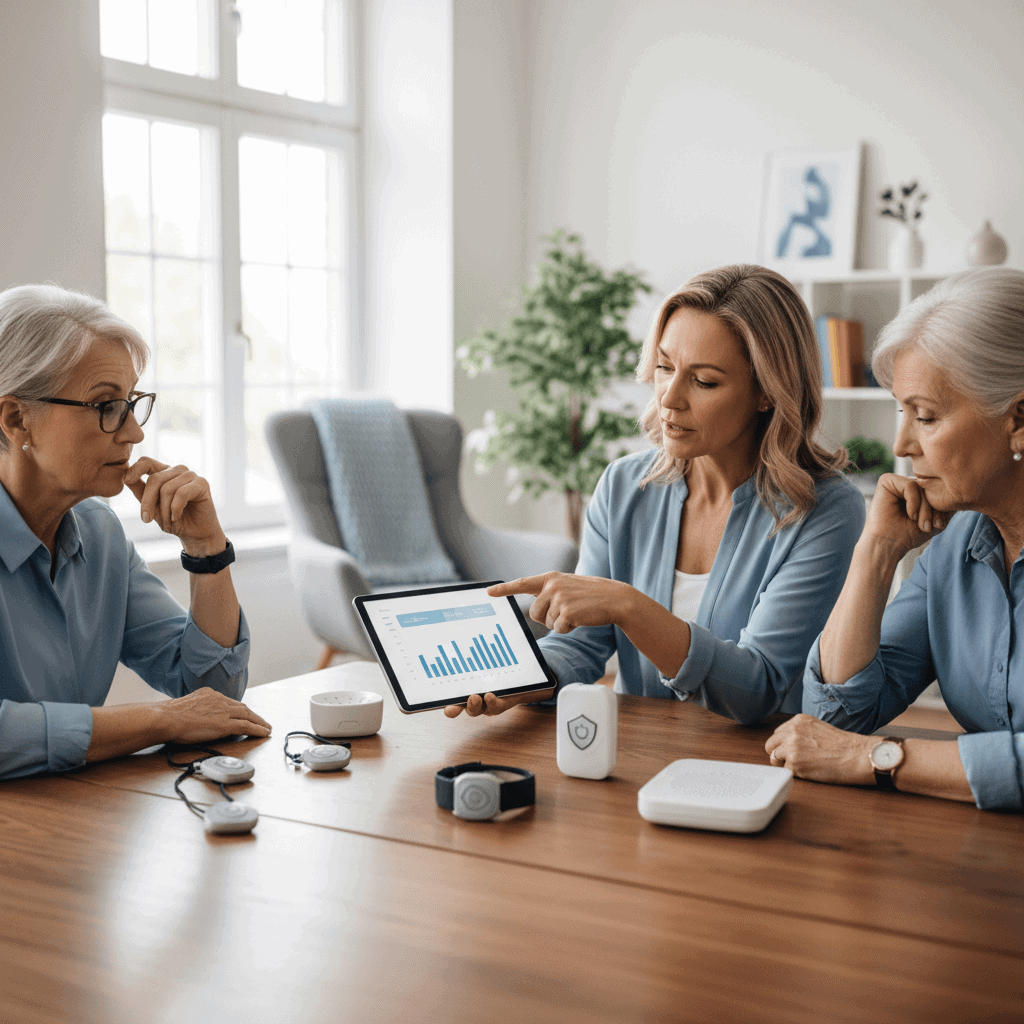
Ensuring the safety and independence of our aging loved ones is a top concern for many families. As people get older, the risk of falls or medical emergencies increases, so having a reliable safety net becomes very important. I often hear from families struggling to find the best solutions to keep their seniors safe at home.
Medical alert systems offer a great way to provide peace of mind for both seniors and their families. These devices connect users to help with just a press of a button, whether it is for a fall, a sudden illness, or another urgent situation. Choosing the right system can feel overwhelming with so many options available today.
I have spent time looking into these systems and understanding what makes them truly effective. My goal is to help you cut through the confusion and find a medical alert system that perfectly fits your senior’s needs and lifestyle. We will walk through the key features, benefits, and considerations to help you make an informed choice for senior safety.
Understanding Medical Alert Systems and Their Importance
Medical alert systems, sometimes called Personal Emergency Response Systems or PERS, are simple devices designed to get help quickly during an emergency. They usually include a wearable button, such as a pendant or wristband, and a base unit that connects to a monitoring center. When the button is pressed, it sends an alert to trained operators who then contact emergency services or a designated list of family members or friends.
These systems are incredibly important for seniors living alone or those with health conditions that increase their risk of needing urgent assistance. A fall can be devastating for an older adult and prompt help can prevent more serious complications. I have seen firsthand how a quick response can make all the difference in these situations.
Types of Medical Alert Systems Available
There are a few main types of medical alert systems, each with unique features. Knowing these differences helps in choosing the best fit. I usually explain them in terms of where they can be used and what technology they rely on.
The first type is in-home systems. These are ideal for seniors who spend most of their time at home. They typically have a base unit that connects to a landline or cellular network, and a wearable button with a good range within the home and immediate yard. These systems are simple and often very reliable.
Next are mobile systems. These use GPS technology and cellular service, so they work almost anywhere. They are perfect for active seniors who are often out and about, whether running errands or visiting friends. The wearable device acts as both the alert button and the communication device.
Finally, some systems offer advanced features like fall detection. These devices can automatically sense if the wearer falls and send an alert, even if the person cannot press the button. This technology provides an extra layer of security, particularly for those with a high risk of falls or conditions that might make them unconscious.
Key Features to Evaluate in a Medical Alert System
When you start to evaluate medical alert systems for senior safety, you should always look at certain core features. These features directly impact how effective and reliable the system will be for your loved one. I always tell families to think about their senior’s daily life and specific needs first.
The monitoring center is perhaps the most important part of any system. You want a center that operates 24/7, with trained professionals ready to respond. I look for centers that have certifications, such as those from the Underwriters Laboratories, which shows they meet strict safety and performance standards. A good monitoring center makes sure help is always just a button press away.
Response time is another crucial factor. This is the speed at which the monitoring center answers an alert call. Faster response times can be critical during a medical emergency. Ask providers about their average response times, because this number can vary significantly between companies. We want to know that when an alert goes out, someone is listening and acting immediately.
Understanding Connectivity Options
Modern medical alert systems offer several ways to connect to monitoring centers. Each option has its own benefits and considerations. I recommend choosing based on the senior’s home setup and their activity level.
Most traditional in-home systems use a landline connection. This is reliable if a landline is already in the home and working well. The base unit plugs directly into the phone jack, and it typically requires no extra cellular plan. It’s a straightforward option for many.
Many systems now offer cellular connectivity. This is a great choice if there is no landline or if the senior wants more flexibility. These systems work anywhere with cellular service, which is usually included in the monthly fee. I find cellular options are becoming more popular because they offer broader coverage within the home and often outside it.
For mobile systems, GPS tracking is a standard feature. This allows the monitoring center to pinpoint the user’s location during an emergency. It’s essential for seniors who are active outside the home, giving family members peace of mind knowing their loved one can be located quickly if they need help while away from their residence.
Considering Wearable Devices and Comfort
The wearable part of a medical alert system is just as important as the technology behind it. If a senior does not wear the device, it cannot help them in an emergency. So, comfort, style, and ease of use are very important factors. I encourage families to involve their seniors in picking out the device.
Most systems offer either a pendant or a wristband. Pendants are often worn around the neck and are easy to reach. Wristbands are similar to watches, which some seniors find more natural or less noticeable. The material should be comfortable, lightweight, and ideally waterproof so it can be worn in the shower, where many falls occur.
The button itself needs to be easy to press but not so sensitive that it triggers accidental alerts. Some devices have large, clear buttons that are easy to see and feel. I always recommend testing the button with your senior to ensure they can operate it without difficulty.
Battery Life and Durability
Another important aspect of wearable devices is their battery life. You want a device that can last a long time between charges, especially for mobile systems. Many mobile units need daily or nightly charging, while in-home buttons can last for months or even years on a single battery.
Check how easy it is to charge the device. Some come with simple charging cradles, which are much easier for seniors to use than tiny charging ports. A good battery indicator is also helpful, so the senior knows when it is time to recharge. This helps avoid situations where the device is not working because of a dead battery.
Durability is also a big concern. The device should be sturdy enough to withstand everyday wear and tear, and accidental drops. It needs to be resilient against splashes or full immersion in water, especially if worn during bathing. A robust design ensures the device will work when it is needed most.
Cost and Contract Considerations
Understanding the costs involved in a medical alert system is a critical part of the evaluation. Prices can vary widely, and I find that different providers have different pricing structures. It is not just about the monthly fee, but also any upfront costs or hidden charges.
Most systems have a monthly monitoring fee. This covers the 24/7 service provided by the monitoring center. Some companies offer discounts if you pay quarterly or annually. I always advise asking if equipment fees are separate or included. Some companies charge for the device itself, while others lease it to you as part of the service.
It is important to read the contract terms carefully. Look for information about minimum contract lengths, cancellation policies, and any activation or installation fees. I prefer providers that offer month-to-month contracts, because they provide more flexibility if the senior’s needs change or if you find the system is not a good fit.
Additional Costs and Hidden Fees
Beyond the basic monthly fee, there can be other costs to consider. Fall detection, for example, often costs extra, usually an additional monthly charge. Sometimes, mobile systems with GPS tracking also have a slightly higher monthly fee than basic in-home units.
Installation fees are less common now, but some providers might charge for professional installation if you prefer it over a DIY setup. Shipping costs for the equipment can also add to the initial expense. It is always best to get a clear, itemized breakdown of all costs before signing up.
Sometimes, companies offer promotional rates that expire after a few months. Always confirm what the rate will be after any introductory period. This helps avoid surprises on your bill down the road. I recommend making sure all these financial details are transparent.
Evaluating Customer Service and Support
Excellent customer service and reliable support are very important when choosing a medical alert system. During an emergency, you want to know that the company providing the service is responsive and helpful. I always consider the experiences of other users and what kind of support the company offers.
The quality of the monitoring center operators is key. Are they professional, calm, and efficient? Do they speak clearly and understand how to handle different types of emergencies? I look for companies that invest in proper training for their operators, because they are the first line of defense for your loved one.
Beyond emergency response, consider the technical support available. If there is a problem with the device or system, can you easily reach someone for help? Do they offer troubleshooting guides or remote assistance? Knowing that help is available for technical issues can prevent a lot of frustration.
Checking Reviews and Company Reputation
Before making a decision, I always recommend checking reviews from other customers. Websites like the Better Business Bureau or consumer review sites can give you insights into a company’s reputation and how they handle customer complaints. Look for patterns in reviews, both good and bad.
A company with a long history and positive reviews generally indicates a reliable service. Be wary of companies with many complaints about billing issues, unreliable equipment, or poor response times. Transparency and a commitment to customer satisfaction are strong indicators of a good provider.
Sometimes, talking to friends or family who already use a medical alert system can also provide valuable insights. Their personal experiences can often highlight aspects that formal reviews might miss. I find that word-of-mouth recommendations can be very powerful when it comes to services like these.
Installation and Ease of Use for Seniors
For a medical alert system to be truly effective, it must be easy for the senior to install and use. Complicated setups or devices can cause frustration and might mean the system is not used when it is needed most. I look for systems that are designed with seniors in mind.
Many systems are designed for DIY installation. This usually means plugging in a base unit, perhaps pairing a wearable device, and then performing a test call. Instructions should be clear and easy to follow. A simple setup process ensures the system can be up and running quickly without the need for a technician.
Some companies offer professional installation as an option. This can be helpful if the senior or family members are not comfortable with technology. A technician can ensure everything is correctly set up and can answer any questions on site. This service might come with an extra fee.
Testing the System Regularly
Once the system is installed, it is very important to test it regularly. Most providers recommend monthly tests to ensure everything is working correctly. This involves pressing the emergency button and speaking with the monitoring center. It also helps the senior feel more comfortable using the system in a real emergency.
During the test, confirm that the monitoring center hears you clearly and that they can identify your location if it is a mobile unit. Check the battery life indicators and make sure the wearable device is still paired with the base unit. Regular testing ensures that when an actual emergency happens, the system will perform as expected.
It is also a good idea to periodically review the contact list on file with the monitoring center. Make sure all phone numbers and emergency contacts are up to date. This ensures that the right people are notified in the event of an emergency.
Integrating Medical Alert Systems into a Senior’s Lifestyle
Choosing the right medical alert system is not just about features, it is also about how well it fits into a senior’s daily life. The goal is to enhance their safety and independence, not to make them feel burdened or watched. I encourage families to talk openly with their seniors about these systems.
For active seniors, a mobile system with GPS is probably the best choice. This allows them to continue their routines, like walking in the park or visiting friends, with the confidence that help is available anywhere. It promotes continued independence, which is vital for mental and emotional well-being.
For seniors who spend most of their time at home, an in-home system with a broad range is often sufficient. They can wear the button discreetly and know that help is nearby. The key is to make sure the device is always worn, especially during vulnerable times like showering or moving around the house at night.
The conversation around getting a medical alert system should be supportive and empowering. Frame it as a tool that helps maintain their freedom and keeps them connected to help, not as a sign of lost independence. Many seniors appreciate the added security it brings.
When considering the investment, remember that medical alert devices are worth it for the peace of mind they offer. I find a practical and comprehensive look at the value of these systems over at Geek Extreme. It reinforces how this technology truly contributes to safety and well-being.
Conclusion: Empowering Seniors with the Right Choice
Choosing the right medical alert system for senior safety is a big decision, but it is one that can profoundly affect a loved one’s well-being and independence. We have explored the different types of systems, from in-home units to mobile devices with advanced features like fall detection. I hope this guide has made the process clearer for you. Thinking about the connectivity options, understanding the wearable device choices, and carefully reviewing costs are all important steps in this process. Customer service quality and ease of use also play a major role in how successful the system will be in real-world scenarios. It is about finding a balance between features, reliability, and budget while making sure the senior feels comfortable and empowered by their choice. My personal experience tells me that an informed decision leads to greater peace of mind for everyone involved. Investing in a medical alert system means investing in safety and continuing independence for our seniors. Take the time to evaluate your options thoroughly, speak with your loved ones, and select a system that provides the best protection and support. Prioritize clear communication and regular testing to ensure the system is always ready when needed most. Empower your seniors to live safely and confidently.