
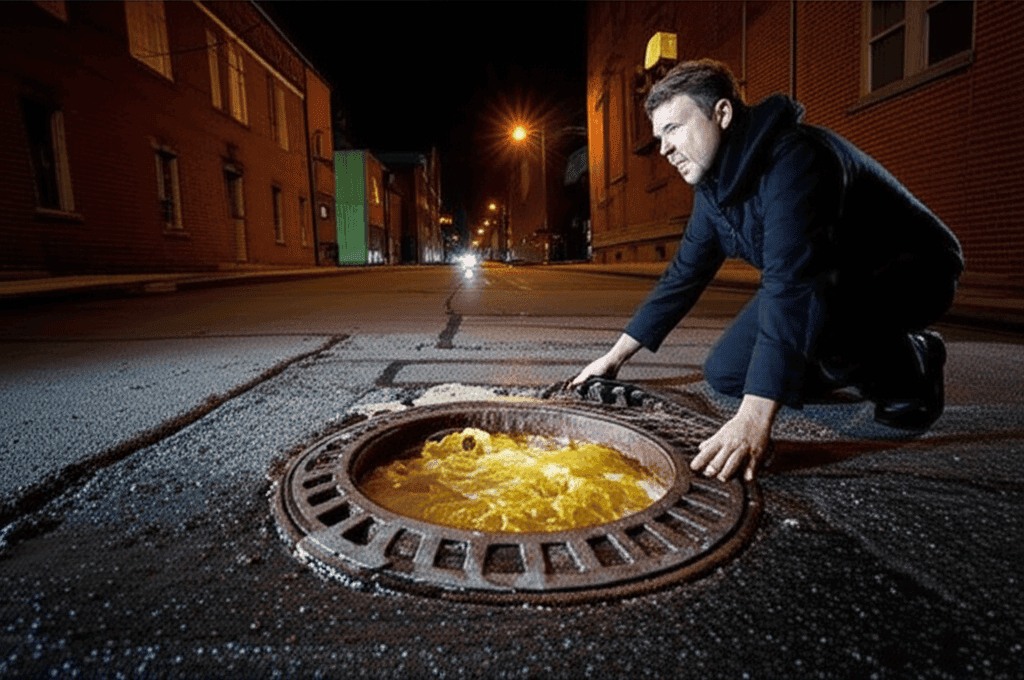
Sewer problems hit hard and call for quick action. Raw sewage, nasty smells, or water backing up from drains can cause health issues and wreck your home. Acting right away can cut down health risks and save a ton on repairs. Imagine stopping a flood before it drowns your space—that’s the power of fast moves. People dealing with plumbing issues get the biggest payoff from knowing how to respond. Keep going to discover the tricks that help dodge a costly and messy disaster.
This guide lays out practical steps to take when you suspect a sewer emergency. You will find clear actions for immediate safety, ways to contain damage temporarily, guidance on when to bring in trained sewer technicians, and tips for working with insurance. Real world examples and simple checks are included so you can face the situation with confidence.
Recognize the signs that you are facing a sewer emergency
Not every slow drain is a true emergency. Here are the most important warning signs that call for immediate attention and likely professional response.
- Multiple fixture backups such as toilets and floor drains filling at the same time points to a main sewer line issue rather than a single clogged sink.
- Raw sewage in the home or yard is a public health threat. Any visible sewage should be treated as an emergency.
- Strong sewage odor inside the house that does not go away after ventilating indicates a leak or gas buildup in the line.
- Gurgling drains and bubbling toilets particularly when appliances run are a sign that sewer gases are trapped and the line may be compromised.
- Sinkholes, wet spots, or unusually lush patches in the yard near the sewer line path can mean a break underground that requires immediate excavation or repair.
Immediate safety steps to protect people and property
When a sewer emergency is suspected follow these priorities to reduce risk and limit damage.
- Keep people and pets away from any area with standing sewage.
- Turn off water at the main shutoff if backups are severe and water continues to flow into the house.
- Stop using drains, toilets, and appliances that discharge into the sewer until the issue is fixed.
- Open windows and ventilate spaces to reduce odor but avoid using fans that blow contaminated air from one area to another.
- Avoid contact with sewage. If contact happens wash thoroughly with soap and water and seek medical advice for cuts or immune concerns.
Short term containment and practical on site fixes
Temporary steps can limit the spread of sewage and protect floors and belongings until technicians arrive.
- Use towels, sandbags, or other barriers at doorways to keep sewage from spreading from one room to another.
- Place buckets and containers under active leaks to collect flow and prevent additional floor damage.
- In yard flooding install sandbags or temporary berms to divert flow away from the foundation.
Using a sewer cleanout
If you know where the cleanout is and it is above ground remove the cap carefully with gloves. Sometimes opening the cleanout will relieve pressure or reveal whether sewage is in the service line or beyond the property line. Do not stand directly over the opening.
Handling backups inside the home
When sewage is backing up into lower level drains use a wet vacuum only if it is rated for sewage and you have personal protective equipment. Many homeowners call a technician instead of attempting this because the risk of exposure and the need for proper disposal are significant.
When to call emergency sewer repair services
If sewage is inside your building if you see sewage surfacing in your yard or if you suspect a collapsed line call trained professionals right away. Structural collapse, gas odors, or large volumes of sewage are reasons to request emergency response now rather than waiting until business hours.
Trained crews can arrive with the right protective gear tools and equipment to protect your property. For residents in Houston a reliable local option is Zoom Drain emergency sewer repair and replacement services which offers same day response and specialized equipment for urgent sewer problems.
What to expect from a professional emergency response
Knowing the typical steps technicians take will help you prepare and understand timeframes and costs.
- Initial assessment to determine immediate risk and scope. The crew will isolate the problem and recommend safe next steps.
- Video camera inspection of the line to locate blockages cracks roots or breaks and to confirm whether the issue is on your property or the municipal system.
- Temporary measures such as pumping out sewage and installing bypass pumps to keep wastewater flowing while repairs are planned.
- Repair options including spot repairs pipe replacement or trenchless lining depending on damage location and soil conditions.
Video inspection process
A camera run through the line provides a recorded view of the condition and is useful for both planning repairs and for insurance documentation. Technicians will show you the footage and explain what they find.
Common repair methods and timelines
Spot repairs can sometimes be completed the same day. Full replacement may require excavation and multiple days of work. Trenchless lining is often faster and disturbs landscaping less but may not be suitable for every situation.
Documenting damage and working with insurance
Thorough documentation speeds up claims and helps you recover costs related to cleanup and repairs.
- Take time stamped photos and video of affected areas before cleanup begins.
- Keep receipts for any emergency purchases such as pumps deodorizers or rented equipment.
- Request written estimates and scope of work from the responding company and ask for a detailed invoice when work is complete.
- Be aware that mold can develop quickly in damp conditions. Start drying and dehumidifying as soon as it is safe after sewage cleanup and save receipts for any remediation services.
When you file a claim provide your insurer with the inspection video and the technician report. That documentation often clarifies whether the damage is covered as sudden accidental damage versus maintenance related wear and tear.
Common causes of sewer emergencies and how to reduce risk
Understanding what often leads to sewer failures helps you plan prevention and maintenance.
- Tree roots grow into older clay or broken pipes and can create blockages or fractures.
- Flushing inappropriate items like wipes grease or large amounts of paper can cause clogs in the service line.
- Ground movement or heavy loads such as construction or seasonal soil shifts that place pressure on pipes.
- Corrosion or age for older pipes made of cast iron clay or other materials that deteriorate over decades.
Regular inspections every few years catch early signs of damage. Installing a backflow prevention device reduces the risk of municipal sewer backups entering your property. When planting trees choose species with less aggressive roots and keep them away from the sewer line path.
Practical tips to act fast with confidence
Actions taken in the first hours often determine whether an incident becomes a costly replacement or a manageable repair.
- Know the location of your main water shutoff and sewer cleanout before an emergency happens. Mark them and make sure all adults in the household know where they are.
- Have a simple emergency kit with gloves cleaning supplies plastic sheeting and a camera phone to document conditions.
- Keep contact numbers for a trustworthy local sewer company and your homeowner insurance ready so you can call without delay.
- Never run the washer or dishwasher when you suspect a backup. Those appliances add volume and pressure.
Dealing with a sewer emergency is stressful but manageable when you follow sensible steps. Immediate safety and containment reduce health risks. Quick engagement with qualified sewer professionals and good documentation protect your family and your financial recovery.
When faced with sewer failure act promptly contain the situation and reach out to trained technicians for inspection and repair. If you are unsure whether a situation is urgent err on the side of calling a professional and sharing what you see with them. A fast response can make a measurable difference in repair scope costs and cleanup time. After the incident take steps to prevent recurrence with periodic inspections and simple changes to habits around flushing and tree planting.
If you have just experienced a sewer emergency start by separating people and pets from affected areas shut off water if needed and contact a qualified repair service. Keep records of everything and ask for a visual inspection report. In many cases timely action reduces overall expenses and limits secondary damages such as mold or structural decay. Reach out to a local specialist as soon as you can to get the issue assessed and repaired. Quick action protects health property and your budget.